
Selling Nevada Land to a Developer
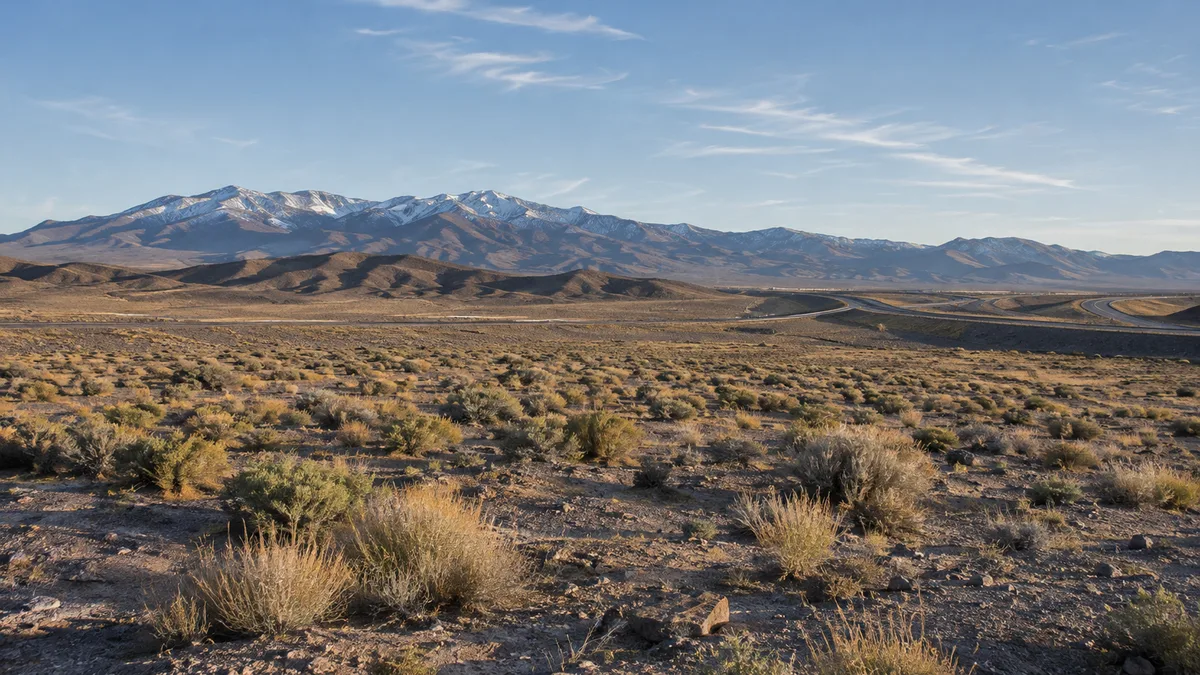
A development proposal can have a high headline price and a long list of conditions. Before comparing it with another route, ask what the purchaser must establish, how long the review lasts and when you are actually committed. A proposed project is not an approval, and an attractive concept drawing is not a promise that the transaction will close. This guide is a practical discussion checklist, not legal or planning advice.
Selling Land to a Developer Starts With Understanding the Project
Ask which entity proposes to sign and what it intends to investigate. A residential concept, commercial project and smaller private improvement can raise different questions. The developer may be seeking an option, a conditional purchase or an immediate transfer. Those arrangements should not be treated as interchangeable because they all involve the same tract. Identify whether the sender is the eventual purchaser, a representative or an intermediary.
A landowner should know what interest is included. Does the proposal cover the entire holding, a portion that must be divided or several neighboring parcels together? The developer may depend on another acquisition, a financing decision or public approval. Ask those questions before a headline amount becomes the family's expectation. Selling land to developers can involve a broader project, but the agreement still needs to define the particular property and obligations.
Retain the correspondence and original proposal. When a later version changes a deadline, cost or condition, keep the signed amendment rather than assuming the earlier discussion controls.
A Zone Designation and a Buildable Plan Are Different Things
Start with the recorded description, parcel identifier and existing access records. Ask the relevant local planning authority about the current zone and applicable review process. A developer's preferred use may not be permitted as proposed. Nearby construction, a road or an online map does not establish that this particular tract can support the same project. Do not advertise an unconfirmed entitlement as an existing right.
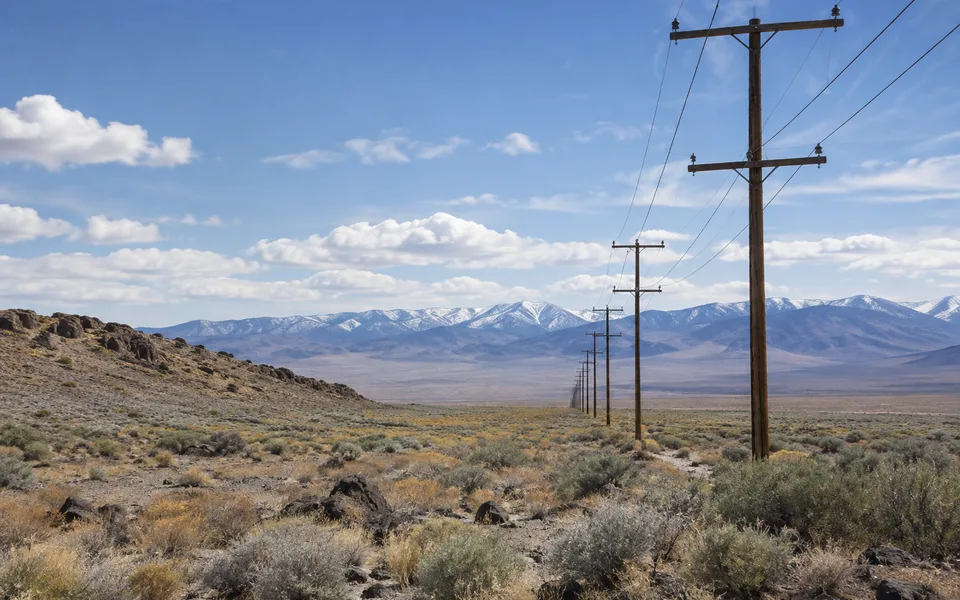
Available utility information should distinguish proximity from a service commitment. A line beside the property does not by itself establish capacity, cost or permission to connect. The developer should identify which service and site questions remain. Water documentation, easements, terrain and an existing lease can affect the review. Provide the records you have and distinguish them from a prediction about a future improvement.
Real Estate Development Assumptions Need Identifiable Evidence
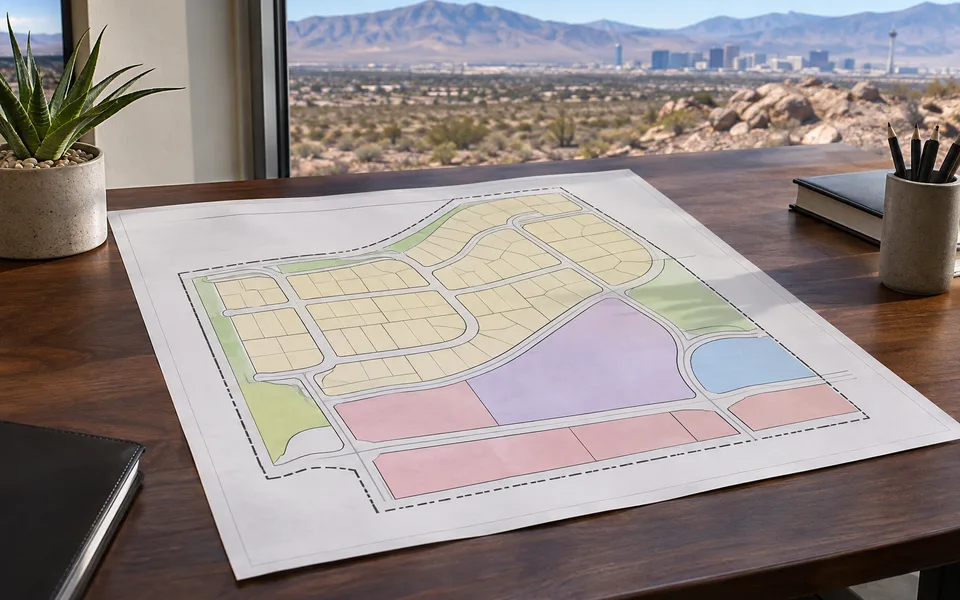
A concept image can help explain a plan but is not proof that the plan will be approved. Ask what supports the assumptions, which offices have been contacted and whether the representation is preliminary. A landowner does not need to resolve every technical question alone, but should avoid signing a guarantee based solely on someone else's optimism. Record who will verify the facts and who bears the cost if an assumption proves wrong.
Read the Developer's Due Diligence and Exit Rights
The review period should be evaluated with the deposit, expenses, extension rights and cancellation provisions. A developer may request time for studies, approvals or funding. Ask what happens during that period and what notice is required to continue or end the arrangement. A nominally large price can be less useful if the holding is tied up while nearly every important obligation remains conditional.
Before you sell land to a developer, obtain independent advice about language you do not understand. Does the agreement permit assignment? Can the purchaser extend without your later consent? Who restores the site after tests, and what insurance or access permission is appropriate? These are questions to resolve with the professional handling your file, not matters to infer from a friendly conversation.
Keep an obligations calendar that identifies dates and responsibility. Ask whether an option payment, deposit and purchase funds serve different purposes. Do not assume that money paid early is refundable or nonrefundable without reading the applicable terms. Due diligence is a defined contractual activity, not an unlimited reason to postpone every decision.
Compare the Value of Your Land With Net Proceeds and Risk
A completed comparable transaction, an asking amount and a future project's projected revenue answer different questions. The developer may evaluate the holding through an expected project budget, while you need to understand the actual proposed consideration and conditions. Compare the amount you could receive, when it could be paid and what expenses or uncertainty remain yours. A future finished project's selling price is not automatically the present value of raw acreage.
If a negotiation changes the price, ask whether another term changed with it. A longer review, additional seller obligation or broader right to cancel can materially change the offer. A landowner comparing proposals should keep the alternatives on the same basis rather than reading only the largest number. Explain your priorities, such as certainty, timing or retaining a portion, without assuming a single route satisfies every objective.
A Real Estate Agent Can Help Market a Different Route
Discuss the scope and fees before relying on a broker to handle inquiries or seek alternatives. Estate agents, attorneys, planners and settlement providers perform different work. A buyer's consultant is not automatically your adviser. Identify which professional represents your interests and which person is explaining the purchaser's preferred structure.
Assign the Work Before You Sell Land to Developers
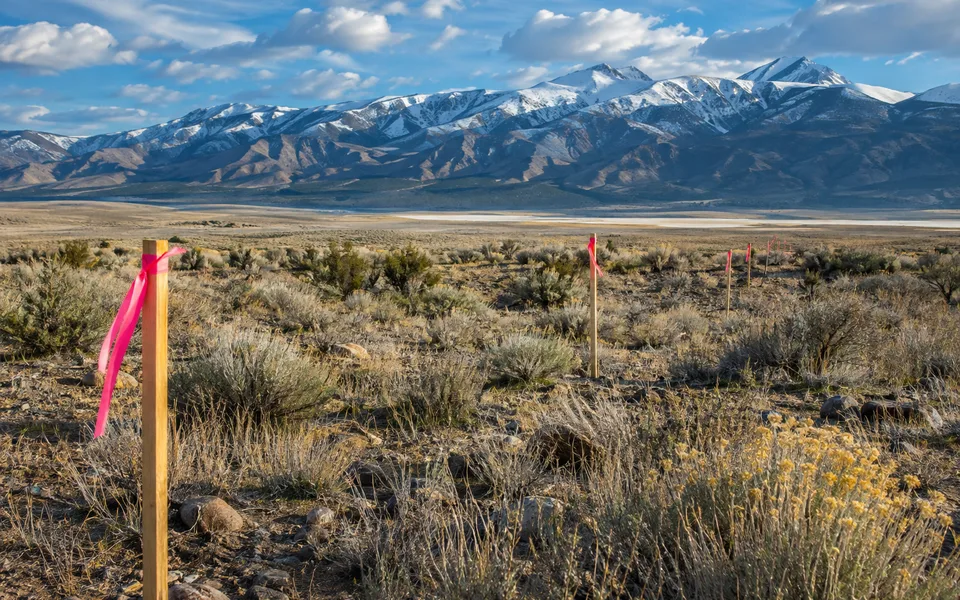
The process of selling should identify the records already available and what must still be obtained. A subdivision, survey, boundary clarification or authority question may affect the file. Ask who orders the work, who pays and whether the agreement depends on a particular result. Avoid commissioning a costly study only because an informal inquiry suggested that it might be helpful.
The developer should explain the expected sequence. If an approval fails, funding changes or the project is redesigned, what happens to your agreement? Have an independent professional review how the stated conditions interact. A short summary email is not a substitute for the signed obligations. A landowner can request clarification rather than accept a timetable built on unexplained assumptions.
At closing, use the verified settlement process to confirm the parties, recorded description, agreed costs and payment instructions. Do not send confidential records or act on a changed bank account solely because an unexpected message uses a familiar name. Retain the final statement and recorded transfer with the contract and amendments.
Decide Whether You Want to Sell Your Land Under These Conditions
A conditional developer proposal is one option, not the only possible outcome for every parcel. A direct purchase, listing, auction or continued ownership may involve different effort and exposure. Compare the whole arrangement, including how long it could remain unresolved. Ask how a developer's conditions affect your ability to pursue another route and which obligations survive if the deal ends.
Our purchaser-comparison guide explains questions to ask about a direct offer. If you prefer that starting point, use the offer button to provide basic county, acreage and parcel details. An individual review may lead to terms, but no purchase is guaranteed. You can decline or seek advice. The decision to sell your land should be based on the written responsibilities and a realistic understanding of the proposed project, not the assumption that every conceptual plan will be completed.
Landowner Selling Guides
Practical guides to inherited acreage, taxes, access and comparing written offers.
Request Your Parcel Offer
Enter the acreage, state, property address and county to request an offer. Your inquiry may be shared with independent land buyers who can contact you about the parcel. Read our Privacy Policy before submitting.